Massage therapists can write off the obvious things like supplies, equipment, and rent. But the two biggest savings get missed: the HST you can claim back once registered, and a properly worked-out home office. Those two are where the real money is.
Most massage therapists know they can write off their oils and their table. Fewer know about the deductions that actually move the needle. Here is the full picture, including the two that get left on the table most often.
The everyday write-offs
If you spend it to run your practice, it generally comes off your income. For a massage therapist that usually means:
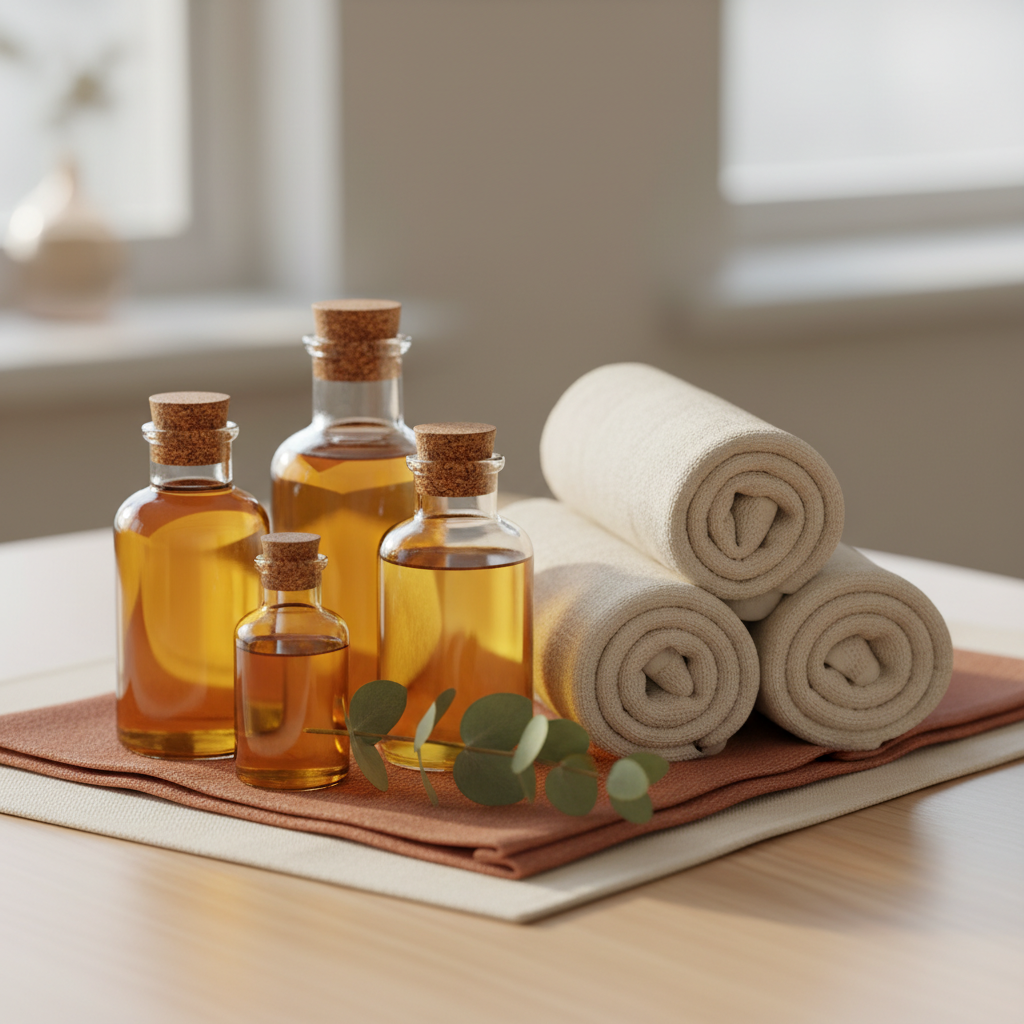
- Oils, lotions, creams, gel, and other treatment supplies
- Sheets, towels, linens, and the cost of washing them
- Disinfectant, hand sanitizer, and cleaning supplies
- Your table, bolsters, face cradles, and table warmer
- Rent on your room or the percentage split you pay a clinic
- Booking and practice software like Jane, plus payment processing fees
- Advertising, your website, and business cards
- Professional liability insurance and your association dues
- Continuing education courses and certifications
The big miss: the HST you can claim back
This is the one that costs registered therapists the most. Once you are registered for HST, you can claim back the HST you paid on almost everything in that list above. It is called an input tax credit, and a surprising number of therapists never set it up.
Every bottle of oil, every month of rent, every software subscription has HST baked into the price. As a registered therapist, that tax is yours to recover.
That $2,200 difference is money you keep instead of handing over. Miss it, and you send the full amount and never know the rest was yours.
The second miss: your home office
If you handle your booking, notes, and admin from home, or you see any clients there, you can usually deduct a share of your home costs. That means a portion of your rent or mortgage interest, your utilities, your insurance, and your internet, based on how much of your home is your work space.
It is rarely a huge number on its own, but it shows up every single year, and most therapists never claim it because they think a home office only counts if they treat people there. It does not.
Your vehicle, if you travel for work
If you do mobile massage, or you drive between clinics, or you run to pick up supplies, those kilometres count. The trick is you need a log. Even a free phone app will do. Without one, the whole vehicle claim can be denied. Your daily drive to one regular clinic does not count, but the out-of-the-ordinary business trips do.
The big purchases work differently
A new electric table or a major piece of equipment is usually not written off all in one year. It gets claimed gradually over time instead. It is not lost, it just spreads out. We handle that part so it is done right.
Frequently asked
Not as a business expense. Your own treatments are personal, even if they keep you working. They may count as a medical expense on your personal return, which is a different thing.
Generally no. Ordinary clothing, including athletic wear you could wear day to day, is not deductible even if you wear it to work. Specialized required gear is a different conversation, so ask us.
Yes. Keep them for six years. A photo of each receipt in a phone folder is enough. Our free template gives you a place to log everything as you go.
You have to be registered, then you track the HST on your purchases and net it against the HST you collected when you file. This is the piece most therapists miss, and the one we make sure you get.
This article is general information for Canadian massage therapists, not advice for your specific situation. What you can claim depends on your circumstances, so check with an accountant before you file.